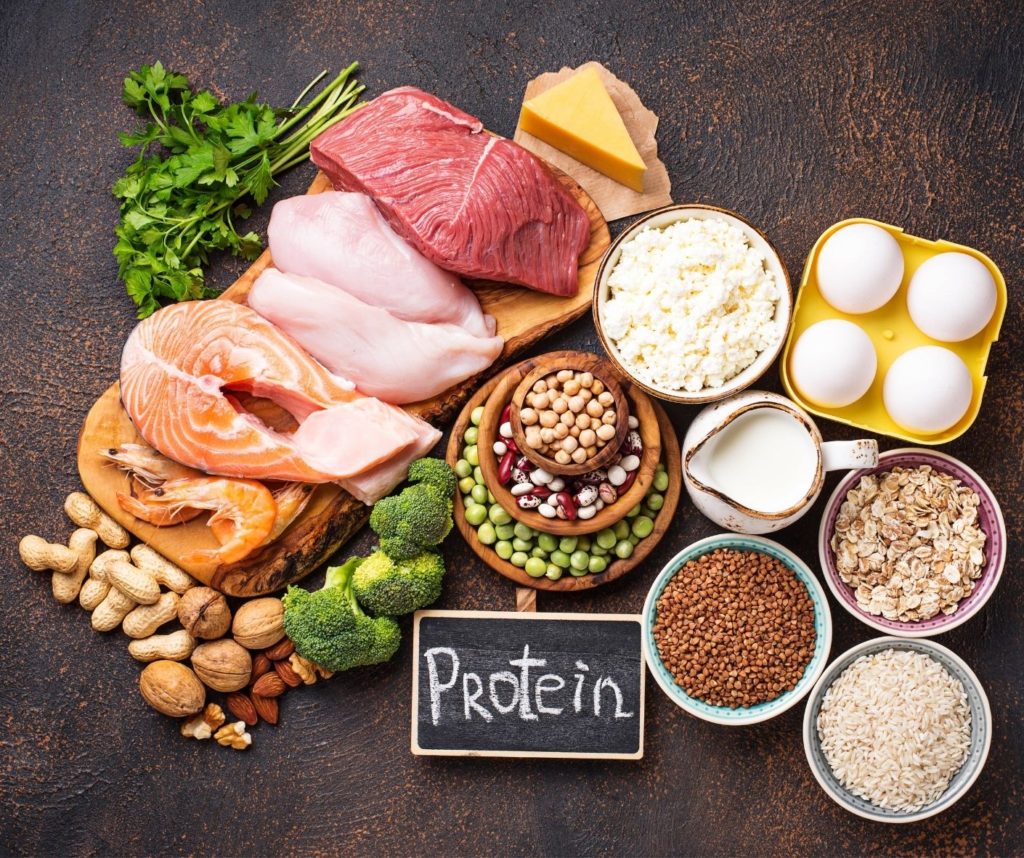
Have you noticed recently that when you walk through the aisles of the grocery store, so many more products have “Protein” on the packaging? Products that might not usually be considered protein sources?
What’s all the hype about protein?
All of this “hype” is actually founded in science, and while adding protein to more products is definitely a marketing ploy, as a Certified Personal Trainer and Nutrition Coach, I love that more and more people are understanding just how important protein—and consuming enough protein—is for optimal health now and for decades to come.
What’s All the Hype About Protein?
Protein. Type one simple word into Google, and you’ll get about 5,760,000,000 results. Among those, you’ll find…
- What is protein? From super simple to deep and science-based.
- Eat more protein. Eat less protein.
- Drink this protein shake. Don’t drink that one.
- Use this supplement. Don’t use that one.
- Eat these sources of protein but not those.
- Protein does this, and this, and this.
- Protein doesn’t do this, or that, or that.
And it goes on, and on, and on. And on.
So, what’s the deal with protein? What is it, what functions and benefits does it offer for your health and wellness, how much should you be eating every day to reap those benefits, and what are some sources of protein?
Let’s break through all the protein confusion, making things as simple as possible.
What Is Protein—and Why Does It Matter?
Protein is one of the three macronutrients (along with fat and carbohydrates), and it’s found most often in animal products (beef, poultry, pork, seafood, dairy products, etc.), but it can also be found in legumes, nuts, some fruits and vegetables (in smaller quantities), and whole grains (again, in smaller quantities). Eating enough protein is crucial to overall good health AND the ability for you to be able to do all the things you want to do now and decades into the future.
What Does Protein Actually Do for Your Body?
Protein has so many functions besides building and repairing muscles, which are probably the two you’re most familiar with. Protein also helps your body do the following:
-
- Build and repairs your skin, bones, cartilage, hair, tissues, and nails.
- Carry energy and oxygen throughout your body.1
- Fight infections.1
- Regulate blood clotting, digestion, muscle contractions, and energy production.2
- Manage2 your Ph levels.3
- Maintain bone mass, especially as you age. Since muscle can naturally decrease as you age (beginning around age 40), it’s important to eat enough protein AND do regular resistance training to protect and maintain your bone mass and to build and repair your muscles so they can better support your bones as you get older. Bonus: You’ll have the muscle and bone health to do the things you want to do!
- Lower blood pressure, which can lower your risk of kidney disease, stroke, and heart attack.4
- Help you feel fuller longer since protein is the most satiating macronutrient. So if weight loss or maintenance is your goal, eating enough protein can reduce the amount of food you’ll eat AND help you not feel hungry as often.4
Weight loss tip: Your body uses up 30% of the calories from protein you eat simply through digestion. That’s a huge bonus if you’re trying to lose some extra pounds.
- Reduce cravings.
- Increase fat burning.4
- Boost your metabolism so you burn more calories throughout your day.4
What happens when you don’t eat enough protein?
If you’re not eating enough protein, you might experience the following issues:
- Difficulty maintaining muscle mass, which is crucial as we age
- Hair loss
- Skin issues
- Weakened immune system
- Feeling weak
- Tiredness
- Difficulty keeping warm
- Nail issues
- Feeling lethargic
- Feeling cold
- Increased irritability
How Much Protein Do You Actually Need?
That is a great question, and it’s a question with lots of answers, unfortunately.
The RDA for protein is 0.8 g/kg (0.36 g/lb). So a 150 lb person would need to eat 54 grams of protein per day, which is about 10% of total calories from protein each day (based on the RDA 2000 calories/day formula).
However, this is a minimum, and only a minimum. And this doesn’t take into account how active you are, your age, sex, how much energy (calories) your body needs and expends a day, how much muscle you have, and how much muscle you need for optimal health and activity, among other things. The RDA recommendation is more about surviving, not thriving.
The US Institute of Medicine offers a different recommendation: 0.375g/kg of body weight to 1.625g/kg of body weight. Basically, that’s a range from 26-111 grams of protein per day for a 150lb person. That’s a pretty big range.
So, how much protein should you be eating?
According to the NASM (National Academy of Sports Medicine), if your goal is weight loss and even optimal health, aim for between .73 and 1 gram of protein for every pound of body weight. If you’re wanting to build muscle mass, aim for the higher end of that range.
Speaking of weight loss, when we cut calories, if we’re not eating enough protein, our bodies can actually cannibalize muscle, which is so not good. So no matter the weight loss plan you’re following, it’s crucial to hit your protein number every single day.
Best Sources of Protein
What are some great sources of protein? Add these options to your nutrition plan:
- Lean beef
- Lean pork
- Chicken (skinless, preferably)
- Turkey
- Eggs/egg whites
- Nonfat plain Greek yogurt
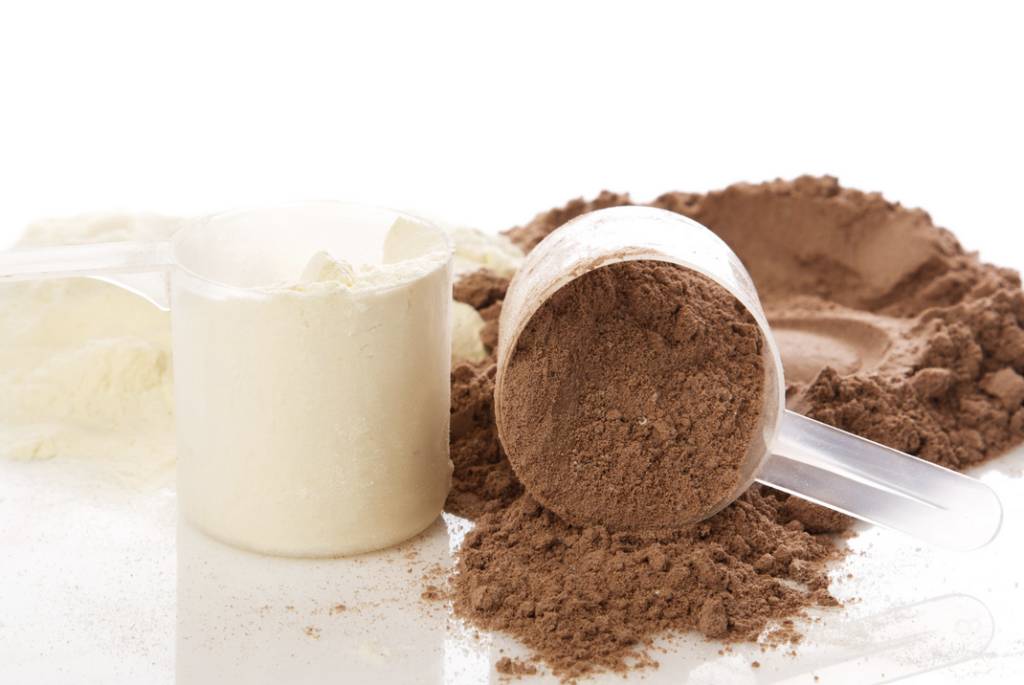
- Protein powders
- Seafood
- Cheese
- Cottage cheese
- Nuts, nut butters, and seeds
- Tofu
And like I mentioned before, some fruits, vegetables, and whole grains can have small quantities of protein too. If you’re a plant-based eater, concentrate on tofu, nuts, seeds, legumes, and plant-based protein powders to meet your protein needs.
Simple Ways to Eat More Protein
If you’re not eating enough protein, or if you want to do better at eating protein, here are some simple tips to help you hit your daily protein target:
- If you’re eating protein on the lower end of the protein spectrum, add in additional protein gradually.
- Eat a source of protein at every meal, which helps to ensure you get your protein in every day.
- Balance your meals between protein, healthy fats, and carbohydrates (whole grains, fruits, vegetables, and legumes). Focusing too much on one macronutrient can lead to a deficiency in the other macronutrients.
- If weight loss is your goal, aim for total calories first, then hitting your protein goal for the day is priority #2. Other than that, fit in healthy carbs and fats to meet your total calorie goal.
- Protein powders are super handy (totally transportable too!) and are an easy way to get in your protein. Try not to consume more than 1-2 servings per day so you can get your remaining protein from whole food sources. I’ll do 3 servings of protein powder some days, like when I’m traveling or don’t have total control over my meal choices (eating at others’ homes, for example), so that extra serving helps me make sure I’m meeting my protein goal for the day.
Easy Ways to Add More Protein to Your Diet
I’ve learned some protein hacks over the years as I’ve worked to eat more protein, so see if any of these will work for you:
#1. Nonfat plain Greek yogurt. This is one of my favorite protein hacks!
- I use it as a sub for sour cream.
- I add it to soups (taco soup, Progresso Low-Sodium Tomato Basil Soup, Progresso Low-Sodium Chicken Noodle Soup) and macaroni + cheese (it makes them all creamier, which is yummy!).
- I stir in some peanut butter powder and stevia and use it as a fruit dip.
- I add ranch dressing powder and a little lemon juice and use it as a vegetable dip.
- I make a chocolate pudding by adding some chocolate protein powder, some cocoa powder, and a bit of stevia, and then I’ll dip apple slices in it or stir some banana slices or berries right into the pudding.
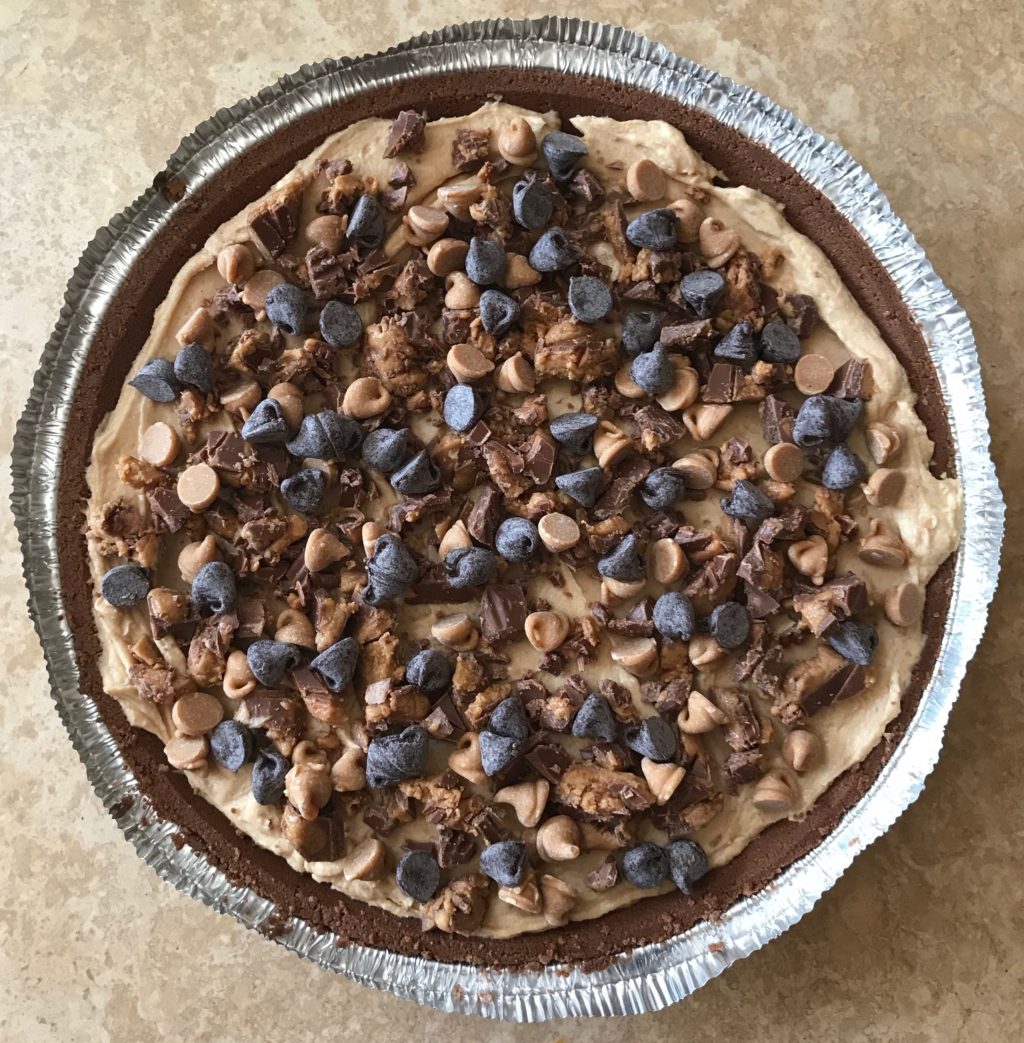
And here’s a favorite recipe using nonfat plain Greek yogurt: No Bake Greek Yogurt Peanut Butter Pie!
#2. Protein hot cocoa!!! I’ve been drinking my favorite cocoa for years, but when I started adding a scoop of my favorite chocolate protein powder, it was a total game-changer. I have protein hot cocoa every morning and even some evenings when I need a boost to my daily protein count or I just have a craving for chocolate. I look forward to my protein hot cocoa every time!
#3. Smoothies. Add a scoop of protein powder or some nonfat plain Greek yogurt to your favorite smoothie.
#4. Pancakes: Add some protein powder to your mix. It’s delicious!
How much protein are you eating every day? What are your favorite sources of protein? Which protein tip or hack will you take on first?
Have additional questions about protein or any other health and fitness topic? I’m always looking for new topics to write about, so please leave a comment below.
Related reading:
The Health Benefits of Dark Chocolate
Want to Reach Your Goals? Start With Your Habits
All About Cravings + 6 Tips to Help You Conquer Your Cravings
Nonfat Plain Greek Yogurt | A Nutrition Game-Changer
Disclaimer: The views, opinions, positions, research, analyses, strategies or other information discussed here are my views and are for informational purposes only. Please consult your physician or other health care professional before beginning this or any nutrition program or before incorporating any of this information into your health and wellness program.
Sources used:
(1) https://www.webmd.com/diet/benefits-protein
(2) https://www.healthline.com/nutrition/functions-of-protein#TOC_TITLE_HDR_2
(3) https://www.healthline.com/health/ph-imbalance
(4) https://www.healthline.com/nutrition/10-reasons-to-eat-more-protein
*As an Amazon Associate, I earn from qualifying purchases at no extra cost to you.* Access my General Disclaimer here.


[…] Protein: How Much You Need, Why It Matters + Easy Ways to Eat More Why protein plays a key role in muscle health, metabolism, and satiety. […]